
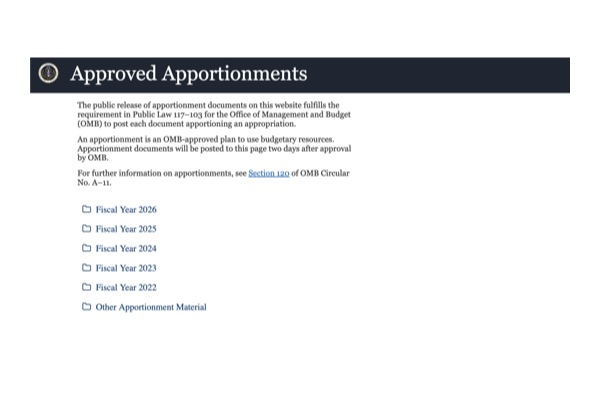
This federal data portal publishes official population and congressional apportionment statistics used to determine how many seats each U.S. state receives in the House of Representatives after the Census. The dashboard allows users to review the population counts, formulas, and calculations that redistribute political representation across the country every decade.
Apportionment directly affects political power. The number of representatives assigned to each state influences federal legislation, Electoral College votes, committee power, and ultimately which communities receive federal resources and policy attention. Changes in representation often follow migration, economic shifts, climate movement, and demographic change. Being able to see the data behind those changes helps researchers and citizens understand why political influence shifts between states.
Journalists, researchers, and civic groups can use this dataset to verify claims about population movement, analyze representation disparities, and evaluate how redistricting debates emerge. When discussions about “losing seats” or “gaining influence” appear in the news, this tool shows the measurable basis for those changes. In practical terms, it connects census population data to real-world political outcomes.