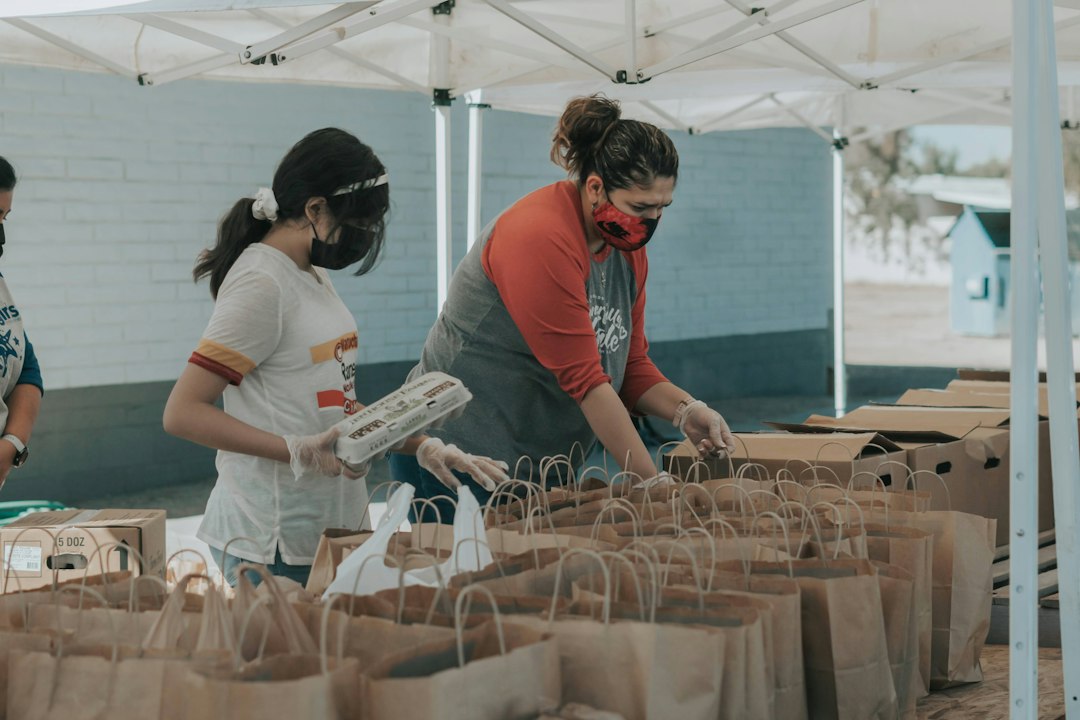
When a neighbor needs groceries, the rent is due, or the power goes out, telling people to remain patient is not a community response plan. People need other people. That is where mutual aid begins: neighbors sharing time, money, food, transportation, information, and skills to meet needs together.
Mutual aid is not a substitute for public services or a reason governments can avoid their responsibilities. It is a way communities build relationships and respond to immediate needs while continuing to demand better institutions.
What makes mutual aid different?
Traditional charity often draws a line between the people giving and the people receiving. Mutual aid emphasizes solidarity and reciprocal participation. Someone who needs help with groceries this week may be the person fixing a neighbor’s bicycle next month. Contributions can be practical, financial, logistical, or simply showing up reliably.
The most effective groups also understand their limits. Volunteers should not promise services they cannot deliver, collect unnecessary sensitive information, or announce that a local program is available without checking its current capacity.
Start with food, because food cannot wait
Community fridges and neighborhood food networks are among the most accessible examples. In Chicago, Resistance Directory’s mutual aid and community support collection is a starting point for finding organizations and local assistance. Search for neighborhood food programs, community fridges, and groups such as The Love Fridge Chicago. Availability, distribution hours, and volunteer requirements can change, so follow the provider’s current instructions.
Food support is only one entry point. Mutual aid networks may also help with rides to appointments, emergency supplies, childcare coordination, disability access, and referrals to other services. A resource that fits one neighborhood may not fit another. Local knowledge matters.
How to participate without becoming another burden
First, ask the organization what it actually needs. Unrequested deliveries and surprise volunteering can create more work than help. Second, choose one contribution you can sustain: a regular grocery donation, two hours of sorting supplies, translation, spreadsheet work, or a modest recurring contribution. Third, respect privacy. Never photograph people receiving assistance without clear permission, and do not share addresses for sensitive support sites if an organization asks for discretion.
Finally, learn from the people already doing the work. Smaller groups often know exactly which gaps exist. Support should strengthen their priorities rather than create a publicity opportunity for outsiders.
Find a place to begin
Visit the Mutual Aid and Community Support directory, then explore the listings for your area. Check the organization’s own contact page before donating, visiting, or volunteering. If you know a reliable community group that deserves to be included, suggest a resource.
A community is not measured only by how loudly it says it cares. It is measured by what happens when someone needs help on an ordinary Tuesday.
Sources and further reading
Mutual Aid Disaster Relief: Community solidarity and mutual aid
Resistance Directory: Mutual Aid and Community Support
Resistance Directory: Suggest a Resource