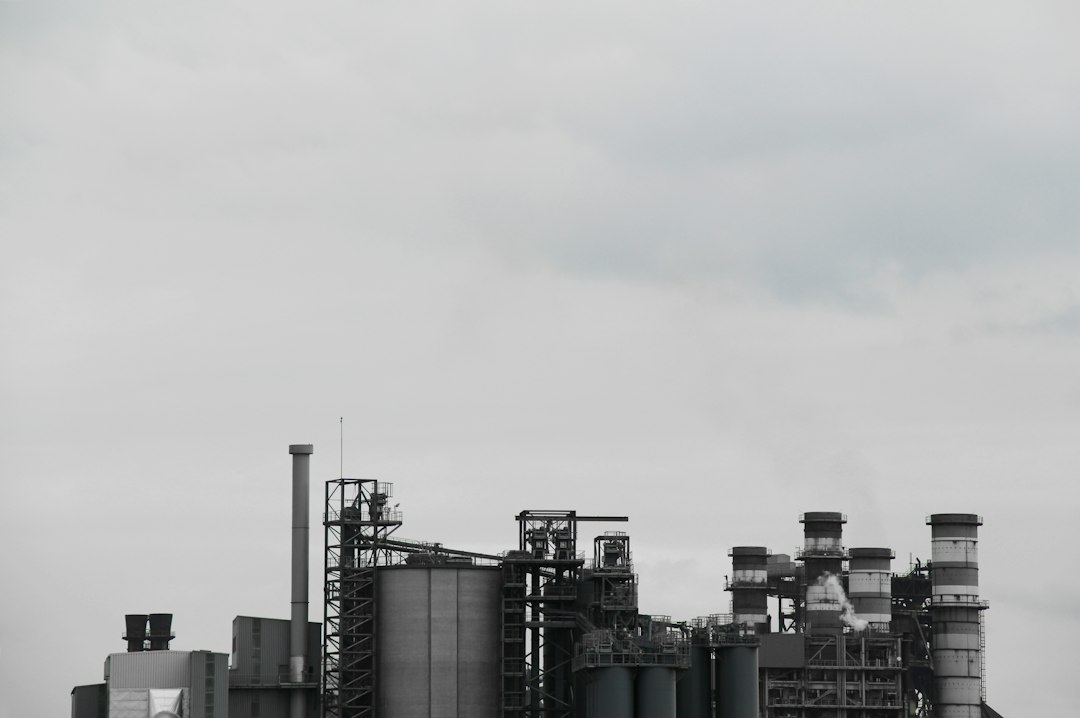
When a neighborhood notices a recurring odor, dirty runoff, or an industrial expansion, residents deserve more than competing Facebook claims. The EPA’s public compliance database can help establish what regulators have recorded about a facility. It is a starting point for investigation, not a substitute for testing or an official finding of harm.
Open the public record
Use EPA Enforcement and Compliance History Online, known as ECHO, to search by city, ZIP code, facility name, or identifier. ECHO provides tools for facility reports, enforcement cases, pollution source research, and maps. Start with the facility’s location and confirm that the record refers to the correct operation. Similar business names can refer to different sites.
Build a responsible neighborhood checklist
- Record the facility name, address, permit identifiers, and agencies listed in the report.
- Check the dates of inspections, violations, enforcement actions, and available monitoring information.
- Compare the facility report with your state environmental agency’s permits or public files.
- Keep a dated log of independently observed concerns, including location and conditions, without trespassing.
- If you suspect an active violation, follow the regulator’s reporting process. Call emergency services when there is an immediate threat.
Understand what the data cannot prove
An absent violation entry does not prove that a facility is safe, and a past violation does not by itself establish a current exposure or medical cause. Data reporting can lag, and agency records can contain errors. EPA provides a process for reporting suspected errors in ECHO records, including guidance on checking known data limitations first.
Avoid posting workers’ personal information, confronting staff, or treating an unverified allegation as a final regulatory finding. If there are health concerns, use appropriate qualified health and environmental professionals rather than diagnosing neighbors from a database entry.
Turn the search into public oversight
Bring one accurately identified facility report and two factual questions to the proper public meeting. Ask which permit conditions apply, what inspections are planned, and where written answers will be posted. Community pressure is stronger when it is grounded in records that another resident can open and check.