
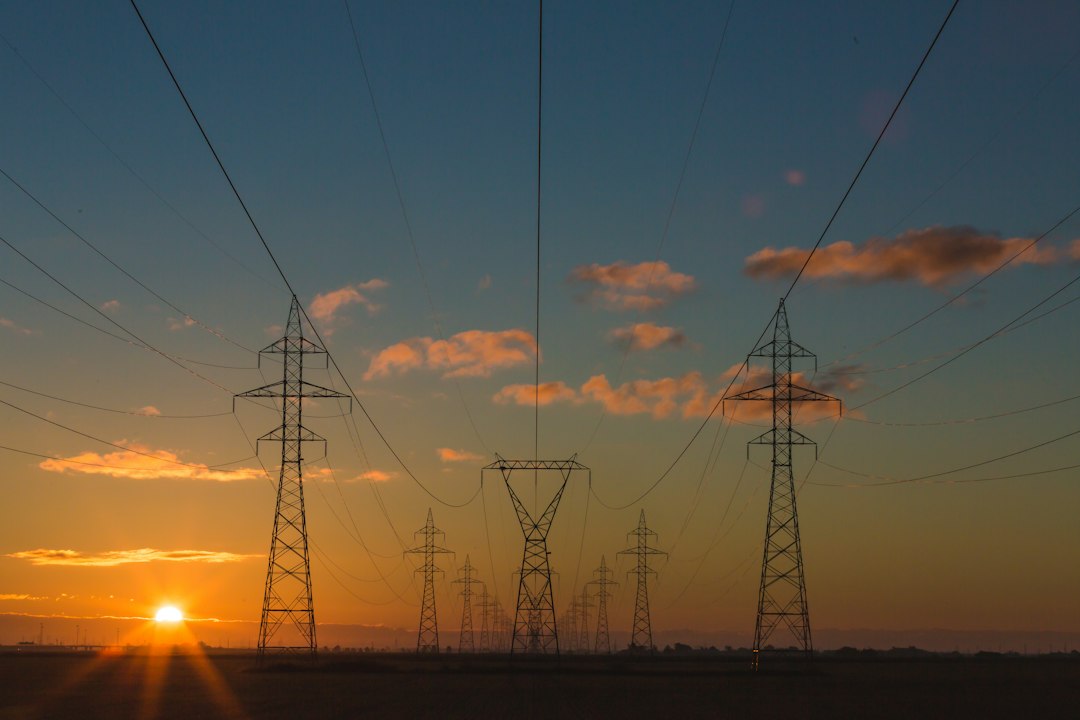
That higher power or water bill might reflect more than a mysterious line on your statement. Some regulated utilities must seek approval for rate changes through formal public proceedings. Those records can show the requested increase, the arguments supporting it, and the opportunities for consumers to participate. The system varies by state and by utility, so first find out who has authority.
Find the right public body
The National Association of Regulatory Utility Commissioners explains the role of state utility commissions. Search your state commission’s official site for a rate case, tariff filing, public hearing, or docket number. Municipal utilities and cooperatives may use different decision making processes, including a local governing board.
The National Association of State Utility Consumer Advocates connects consumers to offices that represent utility customer interests in many jurisdictions. Check its available member directory as a starting point, then confirm the correct contact using your state’s official site.
What to do before a hearing
- Locate the exact docket number and read the utility’s requested change, not just its public relations summary.
- Determine whether the proposal affects base rates, fuel charges, fixed fees, low income protections, or all of them.
- Check the commission’s public comment deadline and participation format.
- Gather recent bills with personal account details removed before sharing them.
- Ask the consumer advocate whether a written comment, formal intervention, or testimony is appropriate.
Make your statement specific
Explain how a proposed fee or rate structure would affect a typical household, a fixed income resident, or a small community organization. Cite the filing’s page or section if possible. Ask for clarity about bill impacts, alternatives, and protections against disconnection where those are within the commission’s authority.
Not every price change is set by a commission, and filing a comment does not guarantee a lower bill. Do not promise neighbors that a petition will stop an increase. The concrete win is getting an accurate consumer concern into the decision making record before the decision closes.
One action this week
Find one currently open utility docket in your state. Share the verified docket link, the hearing date, and instructions for participating with the people who will actually pay the bill.