
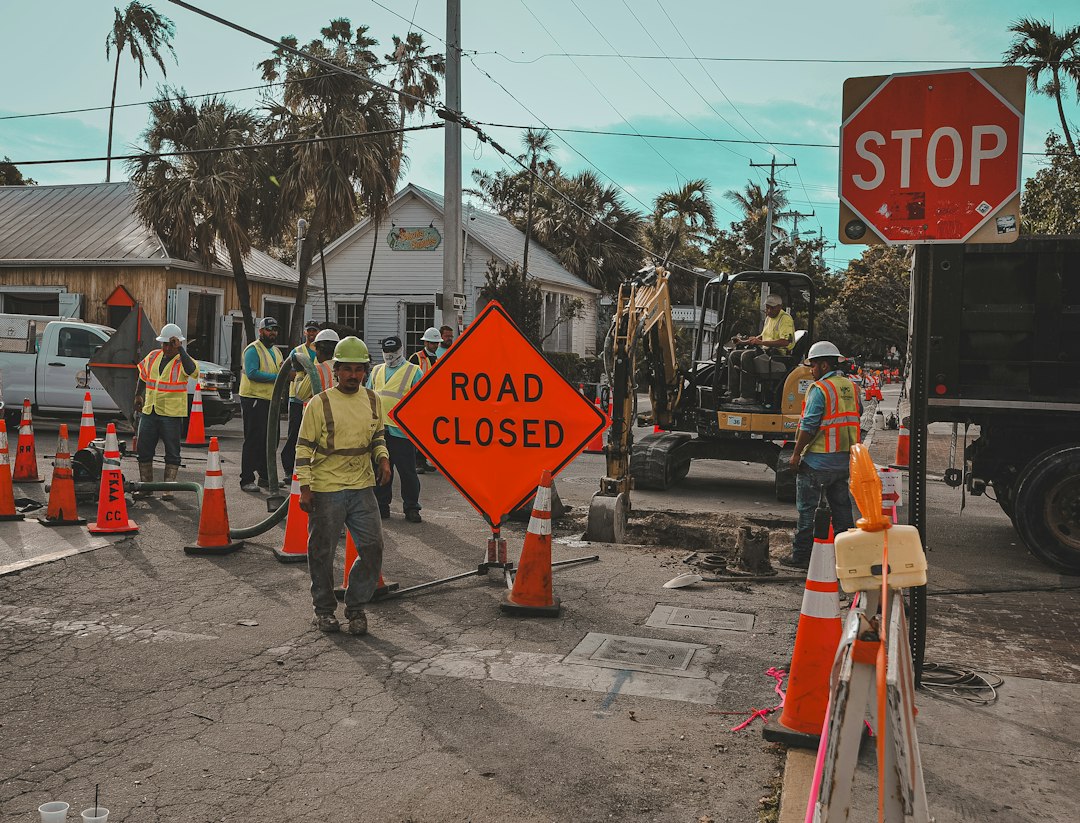
A broken sidewalk, missing streetlight, dumped trash pile, or dangerous intersection does not become more visible just because everyone complains about it in a neighborhood group. Many cities offer 311 or another public works reporting system that creates a trackable service request. The name and features differ by place, but the habit is simple: document, submit, follow up.
Use the right reporting route
Find your city’s official service reporting page through its website or USAGov’s local government directory. Do not assume every community has 311 or that the same categories are available everywhere. For a concrete example, NYC311 describes nonemergency service requests and its city service functions. NYC311 is not a nationwide contact number.
Make a report that can be acted upon
- Use the precise location, a clear category, and a short factual description.
- Describe the hazard without publishing a neighbor’s face, plate number, or private address unnecessarily.
- Attach a photo only when safe and allowed by the local system.
- Save the request number, submission date, department, and expected update method.
- Check the status after a reasonable interval and ask which department owns the next action.
Follow the paper trail, not the rumor mill
New York City’s public status lookup illustrates how a service number can be used to check a request. Local systems vary: some expose public dashboards and some require a phone call. A status marked closed does not necessarily mean the problem was resolved to the resident’s satisfaction. Verify the actual site condition before declaring success or failure.
For immediate danger, an active crime, or a medical emergency, use the appropriate emergency service instead of a routine ticket. Keep any records containing personal contact details private. And do not encourage neighbors to submit duplicate false reports to inflate numbers.
Escalate with evidence
When a request stalls, contact the assigned department or an elected constituent services office with the existing ticket number and concise timeline. Ask for a written explanation, a realistic next step, or an accessible alternative. One well kept service record can be more useful than a hundred furious comments without a location or a date.