
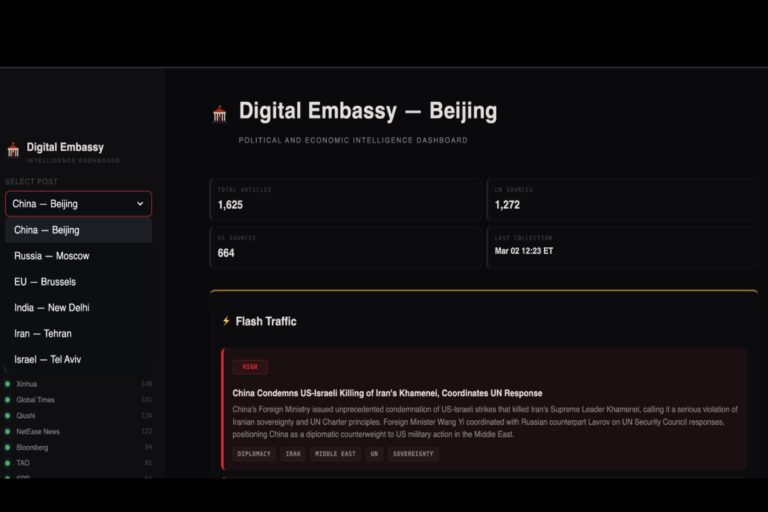
Digital Embassy is a privacy-focused hosting and publishing platform designed to help activists, journalists, and independent researchers keep websites online even when facing harassment, takedown attempts, or coordinated reporting campaigns. The project promotes decentralized publishing, alternative hosting infrastructure, and resilient web presence strategies so that investigative material cannot easily be removed through platform pressure.
The service is especially relevant for watchdog groups and investigative projects that publish controversial or sensitive information. Many research websites rely on mainstream hosting companies or domain providers, which can suspend accounts after complaints, legal threats, or automated abuse reports. Digital Embassy aims to reduce that vulnerability by encouraging distributed hosting practices and providing guidance on maintaining independent control over websites, archives, and research publications.
For activists and investigative researchers, this falls under digital security rather than simple web design. A website is not just a blog — it becomes an evidence archive. If hosting is removed, documentation disappears, links break, and citations across the internet collapse. Resilient hosting ensures documents, timelines, and research records remain accessible to journalists, attorneys, and the public.
The platform also helps users understand operational security basics: separating domain registration from hosting providers, backing up archives, avoiding single-point-of-failure services, and maintaining mirror sites. These are standard practices for journalists working in censorship-prone environments and increasingly relevant for independent investigators publishing large research collections online.
In short: Digital Embassy is not just about building a website. It is about keeping a research archive alive when someone wants it gone.