
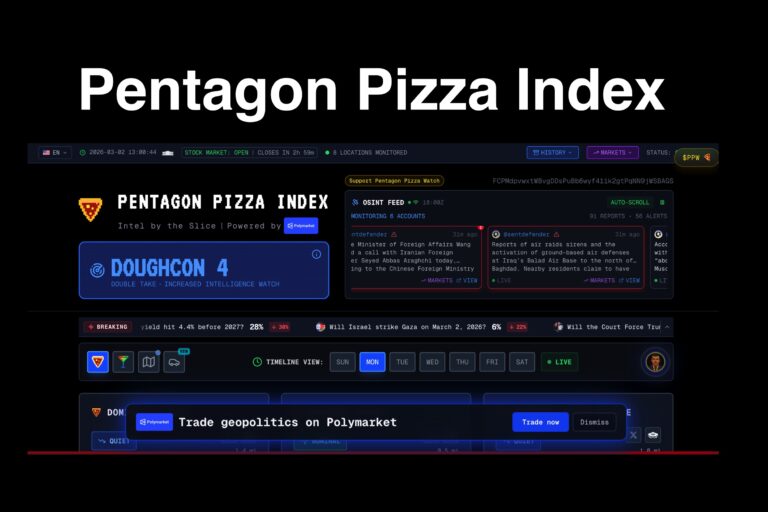
Pizzint Watch is an independent monitoring and documentation site that catalogs online communities, narratives, and network activity associated with controversial internet subcultures and conspiracy-driven movements. Rather than functioning as a news outlet, the project operates as a tracking archive, collecting references, screenshots, links, and contextual explanations so researchers can understand how specific narratives spread across platforms.
For journalists, watchdog researchers, and digital investigators, the main value is documentation over time. Online movements often evolve quickly — posts are deleted, accounts migrate, and communities relocate between platforms. Monitoring archives preserve a record of statements, symbols, messaging patterns, and recurring actors, allowing investigators to follow behavioral patterns instead of isolated posts.
The site can assist with network mapping and media literacy research. Users can examine how talking points originate, how they are amplified, and how communities cross-link between forums, social media platforms, and influencers. When paired with public records searches, reporting, and verified primary sources, monitoring archives help researchers identify coordination, recruitment patterns, and narrative campaigns.
Because it is a documentation project rather than a verified publication, the material should be treated as an investigative lead and research reference rather than proof on its own. Its strength lies in preserving online activity that might otherwise disappear, making it useful for timeline building, digital sociology research, and understanding how internet-based movements organize and communicate.
In practical terms: it’s a record-keeping tool for studying how online communities behave and how narratives move across the internet.