
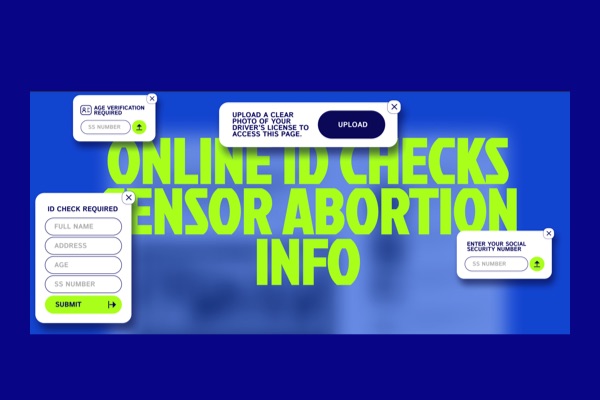
A growing number of healthcare and telehealth services now require identity verification systems — uploading ID, facial recognition scans, or third-party authentication apps — before someone can even receive medical information. Stop Online ID Checks explains why this matters and how these systems create permanent digital records of sensitive healthcare searches, including reproductive care.
The project focuses on the privacy risks surrounding abortion access and online verification platforms. Many verification vendors store biometric data, ID images, device fingerprints, and location information. Even when a website claims it is “just confirming age,” the identity provider may retain data that can later be requested, purchased, subpoenaed, or breached. The site breaks down how digital identity checks work, what data is collected, and why medical privacy now depends on understanding online surveillance.
The resource provides practical guidance for protecting personal information when researching reproductive health, using telehealth, or contacting clinics. It explains how online activity can be tracked through IP addresses, account logins, browser fingerprints, and payment trails, and why individuals may want to minimize data exposure when seeking sensitive healthcare services.
For organizers, healthcare volunteers, and legal aid workers, the site serves as an educational tool for helping community members understand digital safety. Many people assume medical privacy laws automatically protect online activity — but third-party identity verification companies are often outside traditional healthcare confidentiality rules. This resource helps users make informed decisions about privacy, documentation, and risk before sharing personal information online.